The Dual Edge of AI: How AI-Powered Drones Are Redefining Warfare—and What It Means for Tech Developers
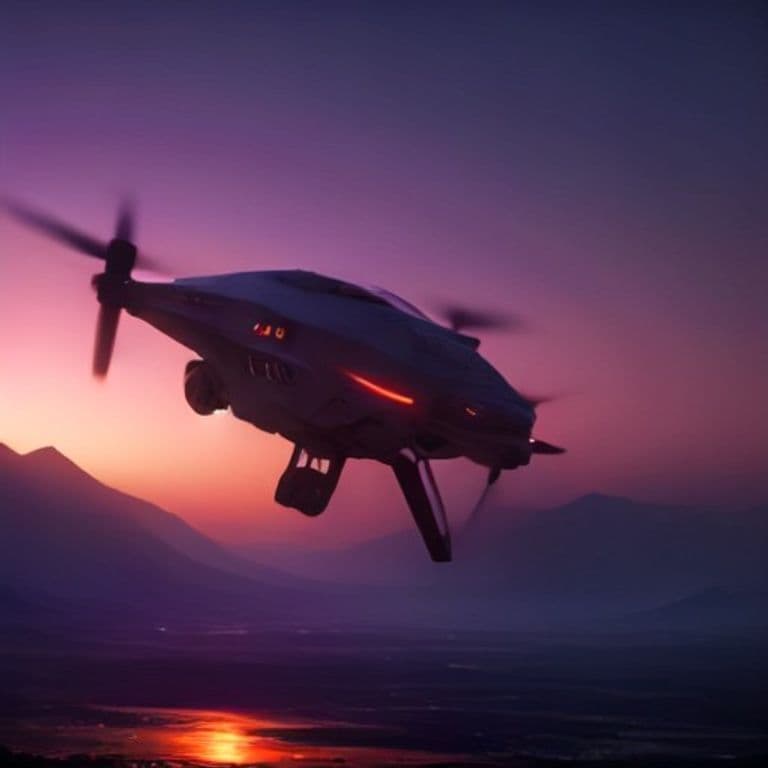
In the ever-evolving landscape of technology, few advancements have sparked as much debate—and concern—as the integration of artificial intelligence (AI) into military applications. Recently, a groundbreaking $100 million deal was announced, where a U.S. company equipped Ukraine’s budget-friendly kamikaze drones with AI-driven targeting capabilities. This development marks a pivotal moment in modern warfare, but it also raises critical questions about the ethical implications, technological advancements, and the broader impact on AI development.
The Rise of AI-Enhanced Drones: A Game-Changer in Modern Warfare
Traditionally, drones have been used for reconnaissance, surveillance, and limited strike capabilities. However, the introduction of AI into these systems is transforming them into autonomous, highly adaptive weapons. The AI-powered drones being deployed by Ukraine are capable of real-time target tracking, autonomous navigation, and even adaptive decision-making—features that were once confined to science fiction.
This technology isn’t just about enhancing precision; it’s about enabling drones to operate in dynamic environments where human intervention is delayed or impossible. For example, in a fast-moving battlefield scenario, an AI-equipped drone can adjust its trajectory mid-flight to avoid obstacles or engage new targets based on real-time data. This level of autonomy is a double-edged sword: it significantly boosts military effectiveness but also introduces complexities in accountability, ethics, and cybersecurity.
Ethical Dilemmas and the Future of AI in Warfare
The integration of AI into military applications isn’t without controversy. Critics argue that autonomous weapons, especially those capable of making life-and-death decisions without human oversight, could lead to unintended consequences, such as collateral damage or escalation of conflicts. Ethical concerns are at the forefront of discussions about AI in warfare, prompting global debates on regulations, transparency, and the need for international agreements to govern such technologies.
On the other hand, proponents highlight the potential of AI to reduce human risk in high-stakes environments. By automating dangerous missions, AI could minimize casualties among soldiers and civilians alike. However, the fine line between saving lives and compromising ethical standards remains a contentious issue.
What This Means for Tech Developers and AI Innovation
For developers and tech enthusiasts, this development underscores the rapid pace of AI innovation and its far-reaching implications. The same technologies powering AI-driven drones are also being applied to civilian applications, from autonomous vehicles to smart cities. This blurring of lines between military and civilian AI raises important questions about dual-use technology and the responsibility of developers.
Developers must now consider not only the technical challenges of building AI systems but also the ethical and societal impacts of their work. This includes:
- Ensuring transparency in AI decision-making processes to build trust and accountability.
- Prioritizing safety and robustness in AI systems to prevent unintended consequences.
- Engaging in ethical discussions to shape the future of AI governance and regulation.
Moreover, the demand for AI expertise is growing across industries. If you're a developer looking to stay ahead of the curve, exploring roles in AI-Driven Automation, Custom Software Engineering, or AI Services & Agents could open doors to cutting-edge projects with significant societal impact.
The Role of Collaboration in Shaping AI’s Future
The development of AI-powered drones is a testament to the power of collaboration between governments, military organizations, and tech companies. However, as AI continues to evolve, so too must the frameworks governing its use. Partnerships between developers, policymakers, and ethicists are essential to ensure that AI is developed and deployed responsibly.
For businesses and organizations looking to harness the power of AI without compromising on ethics, working with experts in Intelligent Workflows & API Integrations or Custom Software Engineering can provide the guidance and infrastructure needed to navigate these complex waters.
Looking Ahead: The Next Frontier of AI
The integration of AI into military applications is just one facet of a broader technological revolution. As AI continues to advance, its applications will span industries, from healthcare and finance to education and entertainment. The key to unlocking its full potential lies in balancing innovation with responsibility.
For those passionate about shaping the future of AI, now is the time to engage with the conversation. Whether you're a developer, a policymaker, or a business leader, your perspective can contribute to building a future where AI serves humanity rather than the other way around.
If you're eager to explore how AI can be leveraged responsibly in your organization, get in touch with our team of experts at Zebotix. Together, we can develop solutions that push the boundaries of innovation while upholding the highest ethical standards.
Final Thoughts: Navigating the AI Frontier
The story of AI-powered drones is a microcosm of the broader challenges and opportunities presented by artificial intelligence. It’s a reminder that with great power comes great responsibility. As developers, we must ask ourselves: How can we ensure that the technologies we build not only advance our capabilities but also uphold our values?
The future of AI is not just about what it can do—it’s about how we choose to use it. By fostering collaboration, prioritizing ethics, and embracing innovation, we can steer AI toward a future that benefits all of humanity.